 Ace
Why I am building Ace Debate—and why I believe the practice of thoughtful disagreement deserves a place in childhood.
Give curiosity somewhere to go.
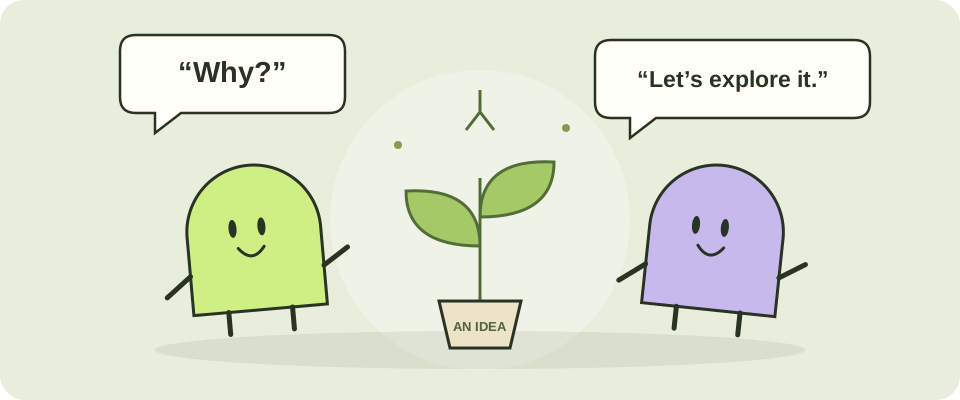
A child asks why the school day begins so early. Another wonders whether animals belong in zoos. A third announces, with magnificent certainty, that homework should disappear forever. These moments can be funny, inconvenient or wonderfully revealing. They are also openings: invitations to help a young person turn a reaction into a reason, and a reason into something worth discussing. I am building Ace Debate because I want to make more room for that process. My starting belief is that children deserve opportunities to practise expressing an idea before the stakes become a presentation, an interview, a difficult conversation or a decision that affects other people. Not every child will volunteer for a microphone. Not every family has a debate club nearby. And not every thoughtful child finds the words quickly enough to join a fast-moving classroom discussion. A regular practice space could offer another way in. I imagine a child receiving a motion, considering an assigned position, collecting a few reasons and discovering that their first answer is only the beginning. That is the experience I want to make approachable: a manageable challenge, a clear structure and another opportunity to try. I am not interested in building a machine for manufacturing perfect opinions, or a shortcut to raising future chief executives. Leadership takes many forms, and childhood should remain larger than preparation for a career. My ambition is more human. I want children to feel that their ideas deserve attention, while learning that other people’s ideas deserve attention too. I want them to encounter disagreement as an invitation to think more carefully. The website you are reading introduces that ambition; the live practice platform is still being developed. The reason behind it is already clear. A child’s curiosity should have somewhere to go beyond being rewarded for the right answer or corrected for the wrong one. Sometimes the most valuable next sentence is simply: tell me why you think that.
“Because I think so” is a beginning.
Having an opinion is easy. Explaining what makes it reasonable is a different kind of work. Take the motion that schools should have a four-day week. A child might begin with “It would be more fun.” That is an honest preference, but a listener needs more. What would the extra day make possible? Would students rest, pursue interests or spend more time with family? What would happen to learning time? What evidence could help answer those questions? Preparing a debate creates a useful reason to slow down and connect these dots. The child can practise distinguishing a claim from a reason, an example from proof, and an attractive possibility from a dependable conclusion. These distinctions matter far beyond a podium. They are relevant when reading an advertisement, judging an online claim or explaining why a group project should take a particular direction. Adults can support the process without supplying the whole argument. Ask which point is strongest, what information is missing and what might change the conclusion. Let the child notice a weak link and repair it. I think the value lies in what happens between the first answer and the second. A child who began with a preference starts asking what would actually make the idea work. They may discover that their strongest point needs a better example, or that a fact they confidently repeated was something they had only heard once. That discovery is worth making. At a time when answers can appear instantly on a screen, the ability to question an answer feels especially important to me. I would rather hear a child explain one idea in their own words than recite ten impressive sentences they have not examined. The principle I want to bring into our design is that speaking should make thinking visible. A polished speech with unsupported claims is not the destination. A simpler speech that connects a clear position to relevant reasons may be a better learning moment. When a child discovers that an argument can be examined, strengthened or revised, they gain a useful alternative to either insisting they are right or giving up the moment someone disagrees.
Confidence can begin with one sentence.
Picture a child who has a good idea but rehearses it silently until the conversation has moved on. The difficulty may have little to do with intelligence or interest. Speaking asks us to organise a thought, choose words, tolerate being noticed and continue despite the possibility of getting something wrong. That is a lot to ask all at once. A short, predictable debate format can make the task more approachable by giving the child a beginning, a purpose and an end. Two minutes to explain a position is a clearer challenge than “Be confident.” An opening sentence written in advance, a pause to breathe and a single example can offer practical support. With repeated, supportive opportunities, some children may become more comfortable speaking; others may need different pacing, accommodations or encouragement. We should leave room for that variation. A quiet child does not need to become the loudest person in the room to have a strong voice. Nor should a fluent child learn that speed and volume are substitutes for substance. The kind of confidence we care about includes the ability to pause, admit uncertainty and ask for a question to be repeated. It is compatible with a soft voice, an accent, an unfinished sentence and a thoughtful change of mind. Feedback should help a child identify something they can work on, rather than turn one performance into a verdict on their personality. “Your example made your point clearer” is more useful than treating “natural speaker” as a permanent identity. Parents can reinforce this by noticing effort and specific choices: you prepared, you stayed with a difficult idea, you tried again after losing your place. Debate will not remove every fear, and it is not a treatment for anxiety. But a well-supported opportunity to speak can give a child a small piece of experience to carry into the next conversation: I have done something like this before, and I can take the next step.
Try on a view you did not choose.
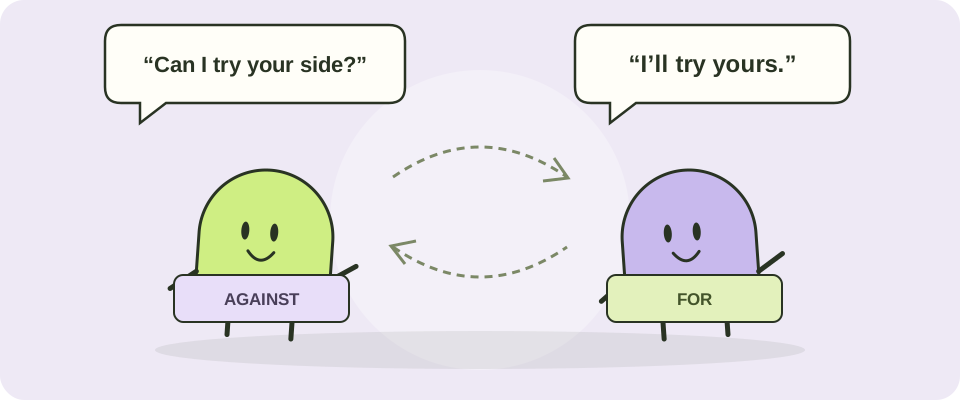
One of debate’s most interesting possibilities appears when a child is assigned the side they would not have chosen. A student who loves the idea of a four-day school week might suddenly need to explain why someone would oppose it. At first, that can feel unfair. Then new questions emerge. What about a parent who works five days? What about a child who depends on school for meals, support or a reliable place to learn? What about the teacher trying to fit the same material into fewer hours? The motion begins to look less like a contest between sensible people and mistaken people, and more like a decision with competing needs. This is an opportunity to practise perspective-taking, not a guarantee that a child will automatically become more empathetic. Adults still need to help children represent another position accurately and respectfully. I find this one of the most valuable parts of the exercise. It interrupts the comfortable habit of looking only for reasons that support what we already think. Instead of asking how to defeat an opposing view as quickly as possible, the child can ask what makes that view understandable. Sometimes the answer is a concern they had never noticed. Sometimes it is a trade-off they would still make differently. Either way, the conversation has become richer than a simple yes or no. For Ace Debate, the design principle is to make an assigned position a prompt for curiosity, not a demand for personal allegiance. Defending a side in an exercise does not mean adopting it as an identity. Children should understand that distinction, and the topics should be appropriate to their age and circumstances. No child should be pushed to argue against their own dignity or someone else’s right to be treated safely. Within thoughtful boundaries, changing sides can reveal an important truth: reasonable people may begin with different experiences, priorities or information. A strong thinker can understand an argument without accepting every part of it. A developing leader can ask whose needs have been overlooked before announcing a solution. And a child can leave the exercise still holding their original view, but holding it with more awareness, better reasons and a little less certainty that everyone who disagrees must be foolish.
A good rebuttal starts with listening.
In many everyday arguments, people listen for a gap in which to begin speaking. Debate can reproduce that habit, or it can become a place to challenge it. The difference lies in what the format rewards. If a child can deliver a memorised response regardless of what the other side said, the exchange may look impressive without requiring much attention. A meaningful rebuttal asks for something more demanding: identify the actual claim, understand the reason supporting it and decide where a response is needed. Before answering, a child might practise saying, “Your main concern is that longer school days would be tiring.” That short restatement gives the other speaker a chance to feel understood and helps prevent an argument against a position nobody actually took. Only then comes the response: perhaps the evidence is incomplete, an assumption is questionable or an important consequence has been missed. This is also where emotional self-control can enter the practice. Hearing a challenge to your idea can feel like hearing a challenge to yourself. A supportive adult can help separate the two. The argument is being examined; the child’s worth is not. Pausing, taking a breath and asking for clarification are legitimate moves, not signs of defeat. The closing phase adds another discipline: choosing what matters most instead of repeating everything. Together, listening, responding and summarising make the conversation more than a sequence of speeches. They create an opportunity to notice another person’s contribution and make a relevant reply. That habit has obvious uses in friendships, collaborative work and family decisions, although transfer to those settings needs support and should not be assumed. My hope is that a child practises the language of respectful disagreement often enough for it to become available when a real conversation grows difficult: I heard your point. Here is the part I see differently. Can we think about it together?
Learn to carry an idea responsibly.
When we describe children as future leaders, it is tempting to picture a stage, an important title or a person directing a large organisation. But leadership can be much smaller and much closer. It can be a student explaining why a classmate has been left out, a team member asking whether everyone has been heard, or a young person proposing a better way to organise a shared task. These situations call for judgement as well as confidence. An idea needs to be understood, its consequences considered and its supporters treated with respect. Debate offers one possible rehearsal space for those responsibilities. Preparing a case asks a child to decide what they believe is relevant. Facing a rebuttal asks them to respond under constraints. Listening to another position asks them to recognise that influence does not come with ownership of the truth. None of this means that winning debates predicts good leadership. Persuasive people can be wrong, and effective leaders sometimes need to abandon their preferred plan. The ethical purpose matters. We want children to practise persuasion in service of understanding and responsible decisions, not learn that any argument is acceptable if it wins. For me, the connection to leadership is not about collecting trophies. It is about learning to carry an idea responsibly. Can you explain it to someone who does not share your starting point? Can you recognise a consequence you did not intend? Can you change the plan when someone offers a stronger reason? I would like children to encounter those questions while the setting is playful and the stakes are manageable. There will be plenty of moments later in life when the answers matter more. That is the kind of future I have in mind. I want to help make the habits associated with thoughtful participation more available: preparation, clear explanation, attention to evidence, willingness to listen and the courage to revise. A child who develops these habits has tools they may use when responsibility arrives. They might lead a company one day, or a community initiative, or a difficult but necessary conversation. The title is not the point. What matters is whether they can bring people and ideas into a better relationship.
Make practice easier to begin—and worth returning to.
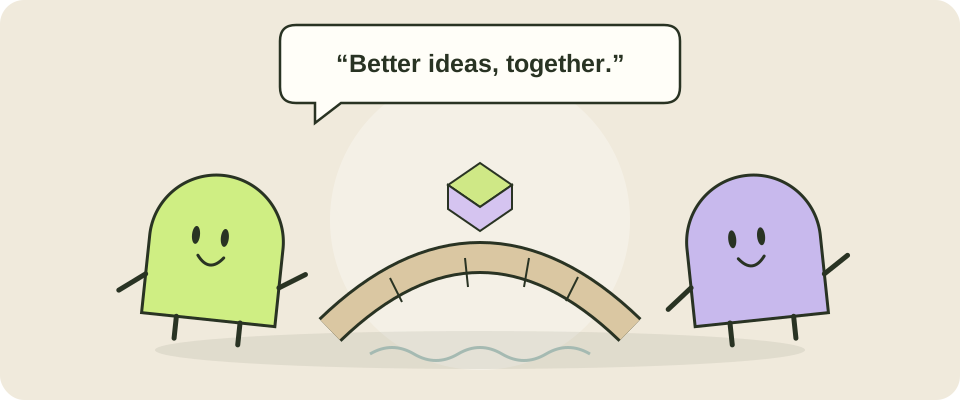
The practical challenge is turning a worthwhile aspiration into something a family can actually use. Children have school, hobbies, friendships and days when they simply do not feel like performing. Parents have limited time. A useful practice experience should respect both realities. Ace Debate’s format gives a student a motion and an assigned side twenty-four hours before a scheduled debate, creating time to think instead of demanding an instant performance. The beginner sequence then offers a clear rhythm: opening arguments, rebuttals and closing statements, followed by moderator feedback. Our intention is to use AI to support that structure and assess persuasiveness and relevance, while keeping parents involved from the beginning. I want the technology to make it easier to show up and practise, not to turn childhood into a stream of measurements. A score should be a starting point for reflection, never a label for a child’s intelligence, character or potential. The quality of feedback, the suitability of topics and the handling of children’s information all require care. Participation and voice features require appropriate consent safeguards and clear data practices. Weekly leagues can offer a reason to return, but a leaderboard should not become the whole meaning of the activity. A child who asks a better question or responds more thoughtfully may have made progress that a ranking cannot capture. Our paid debates also create more opportunities to add to cumulative scores, which can influence relative rankings; that limitation deserves transparency. We want families to understand the rules rather than mistake every score difference for a difference in ability. Technology is useful here only if it helps create better opportunities for practice. It cannot replace the reassurance of a parent, the judgement of a thoughtful educator or the rich unpredictability of conversations with other people. The experience must earn its place alongside those relationships, not present itself as a substitute for them.
Let the next question be an invitation.
You do not need a platform, a competition or a perfectly timed speech to begin nurturing a debating mind. Start with a question that matters enough to be interesting and feels safe enough to explore. Should a family choose one shared weekend activity or let everyone decide separately? Would a school garden be a better use of space than another play area? Invite the child to choose a view, give one reason and find an example. Then offer a different perspective without turning the conversation into a test they must pass. Ask what the other person might be worried about. Try changing sides. Finish by naming something each of you understood better, even if neither changed their mind. The adult’s behaviour is part of the lesson. If we interrupt, mock a weak argument or insist that our own view cannot be questioned, the exercise teaches something different from what we intended. If we admit that a child has noticed an issue we missed, we show that authority and humility can coexist. Keep the practice brief enough to end with energy left, and let a reluctant child observe, sketch their ideas or prepare privately before speaking. Progress does not need to look identical across children. Over time, the hope is that explaining, questioning and reconsidering become familiar ways of meeting the world. Those habits may help a young person speak up when something seems unfair, recognise when a confident claim lacks support or work with someone whose priorities differ from their own. There are no guarantees about the person a child will become, and there should be room for them to surprise us. What we can offer is an environment in which thoughtful participation is welcomed. That is the future I am building toward with Ace Debate: more children discovering that they can contribute, more conversations in which listening matters, and more ideas improved by being examined together. The next generation’s leadership may begin with a very ordinary invitation: what do you think, and why?
SMALL VOICES. BIG IDEAS.
See the conversation take shape.
Explore the debate format, the leagues and the thinking behind Ace Debate.
Explore Ace Debate Back to the journal